




Delivering Excellence in Facial Plastic Surgery
Precision. Passion. Perfection
Safe, Artful Transformations for Your Face
Comprehensive ENT Care for Kids and Adults.
Your Family's ENT Care, Fully Addressed
Rhinoplasty: Enhancing Nasal Aesthetics
and Function.


Tonsil and Adenoid Surgery in Singapore
Safe and effective treatment for recurring throat infections, snoring, and breathing issues in both children and adults.
Trusted ENT Care at Gleneagles Hospital and Camden Medical
Surgery to remove adenoids and tonsils is a safe and effective option for people who suffer from repeated throat infections, snoring, nasal obstruction, or breathing problems. The tonsils and adenoids are part of the immune system. However, if they become swollen or infected often, they may begin to cause more harm.
Dr Sandeep Uppal, a senior ENT surgical consultant with more than 34 years of experience in tonsil and adenoid surgery (tonsillectomy, adenoidectomy, or adenotonsillectomy), offers expert care for adults and children. If you are looking for a reliable tonsil removal doctor in Singapore or an experienced adenoidectomy specialist, Dr Sandeep provides individualised treatment and evidence-based solutions for long-term and durable relief. He has helped many patients through procedures, including adenoid and tonsillectomy operation procedure, achieving excellent results.
What Are Tonsils and Adenoids?
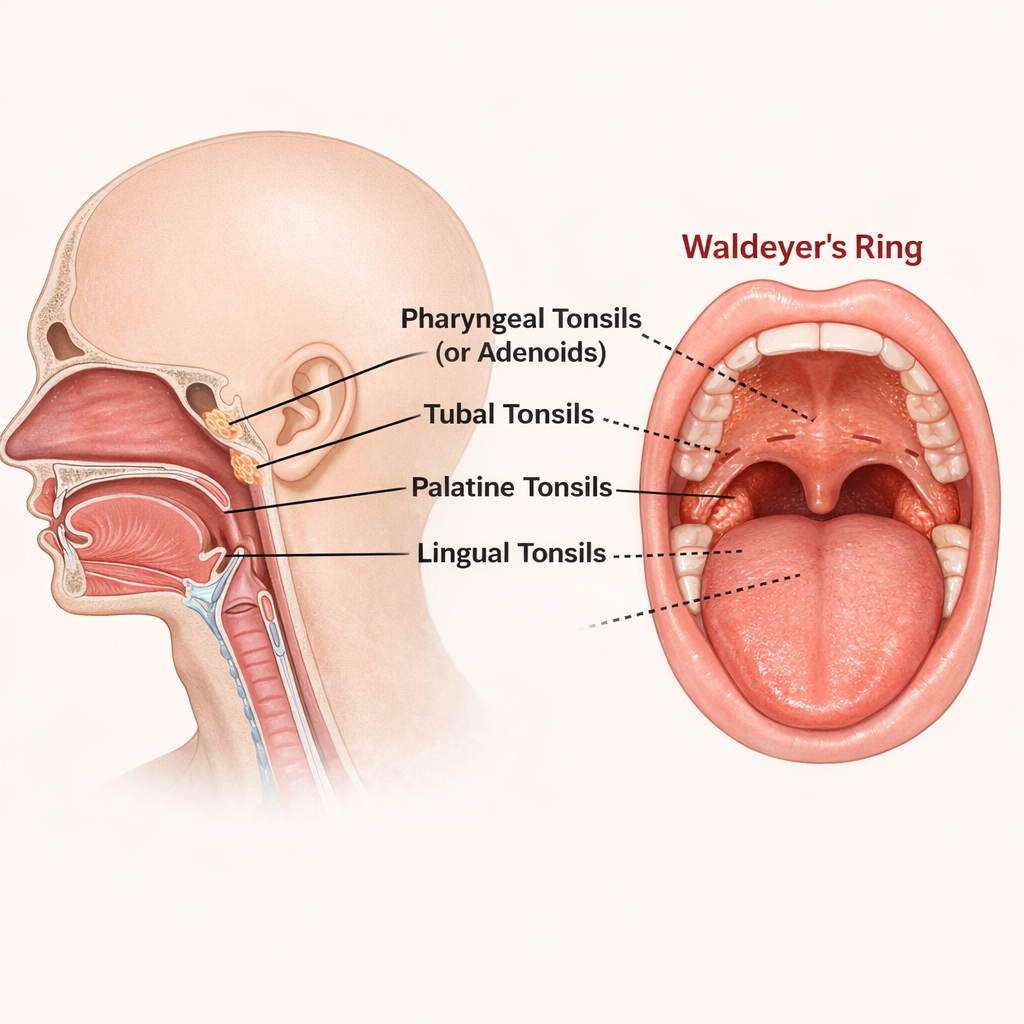
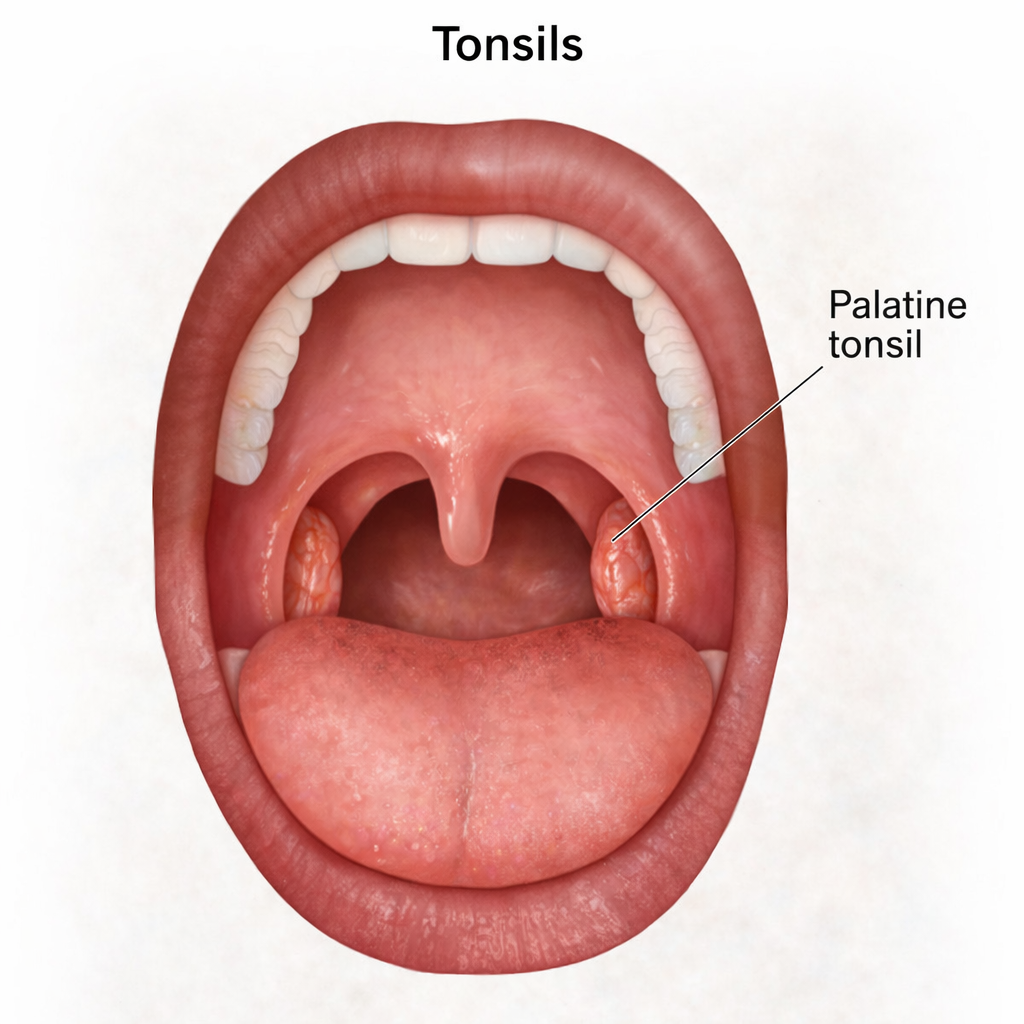
Tonsils are soft tissues located on each side of the back of the throat. Adenoids are located behind the nose, above the roof of the mouth. Both are part of the body’s defence system, helping to trap bacteria and viruses that enter through the mouth and nose.
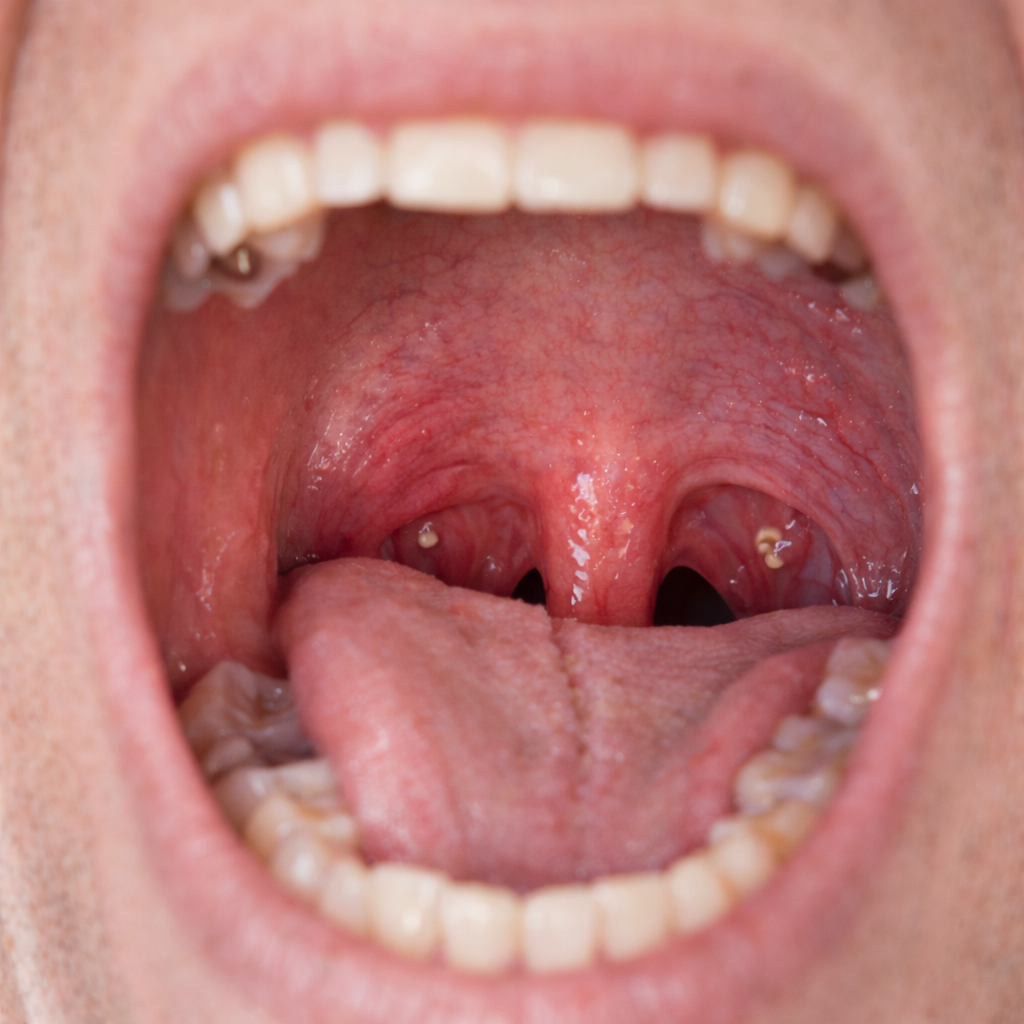
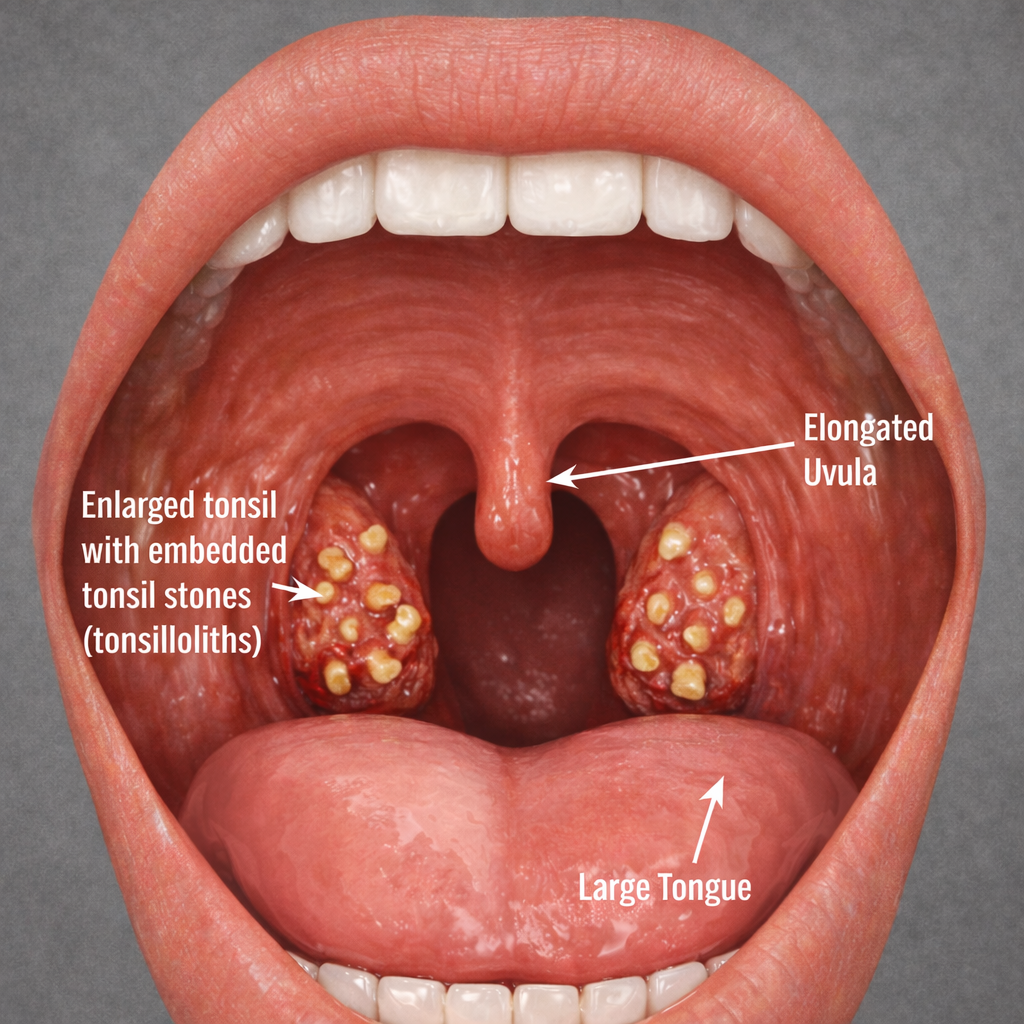
In some cases, these tissues become inflamed, infected, or enlarged. This can lead to problems such as sore throats, tonsil stones (tonsilloliths), bad breath (halitosis), breathing difficulties, nasal blockage, poor sleep, sleep-disordered breathing, and obstructive sleep apnoea, affecting performance and quality of life. If these symptoms occur regularly, your ENT doctor may recommend surgery to remove adenoids and tonsils as a permanent solution.
Common Symptoms of Tonsil and Adenoid Problems
Tonsil and adenoid issues are more common in children but can also affect adults. The most frequent reasons include:
- Ongoing or repeated throat infections
- Breathing difficulty due to enlarged adenoids
- Disrupted sleep or obstructive sleep apnoea
- Ongoing nasal congestion or blocked nose
- Tonsil stones (tonsilloliths)
- Bad breath (halitosis)
- Ear infections leading to fluid trapped in the middle ear (middle ear effusion/otitis media with effusion) and hearing loss.
An experienced ENT specialist check if the tonsils or adenoids are the cause of these symptoms and whether an operation to remove adenoids or tonsils is the right step.
When to Consider Tonsil or Adenoid Surgery
Tonsillectomy (removal of tonsils) and adenoidectomy (removal of adenoids) are recommended when the symptoms are severe, persistent, or affecting daily life.
Signs you may need surgery
- Frequent tonsil infections or sore throats
- Tonsil stones
- Bad breath
- Difficulty swallowing solid food
- Loud snoring or gasping during sleep
- Breathing mostly through the mouth
- Long-term nasal blockage
- Speech problems or nasal voice in children
- Fluid in the ears or repeated ear infections
- Hearing loss
- Trouble concentrating due to poor sleep
If these symptoms are present, your ENT may recommend a tonsillectomy operation procedure or operation to remove adenoids, depending on the root cause.
What to Expect During the Procedure
The procedure is straightforward and usually completed within one hour. It is done under general anaesthesia, when the patient is fully asleep.
Process 1
Pre-surgery Check-up
A full assessment will be done by your ENT specialist, Dr Sandeep Uppal. This may include a physical examination, nasal endoscopy, sleep assessment, or imaging studies.
Process 2
Anaesthesia
On the day of surgery, anaesthesia is given to ensure the patient feels no pain. The procedure takes place in a sterile, controlled medical setting.
Process 3
Removal of Tonsils
The tonsillectomy procedure is performed through the mouth. The tonsils are removed using special surgical tools. No external cuts or stitches are needed.
Process 4
Removal of Adenoids
The operation to remove adenoids is also done through the mouth or nasal passage. A small device is used to gently remove the adenoid tissue and clear the airway.
Process 5
Recovery
Once the surgery is complete, the patient will be moved to the recovery area. Most patients return home the same day or after overnight stay with aftercare instructions.
Types of Tonsils
Palatine Tonsils
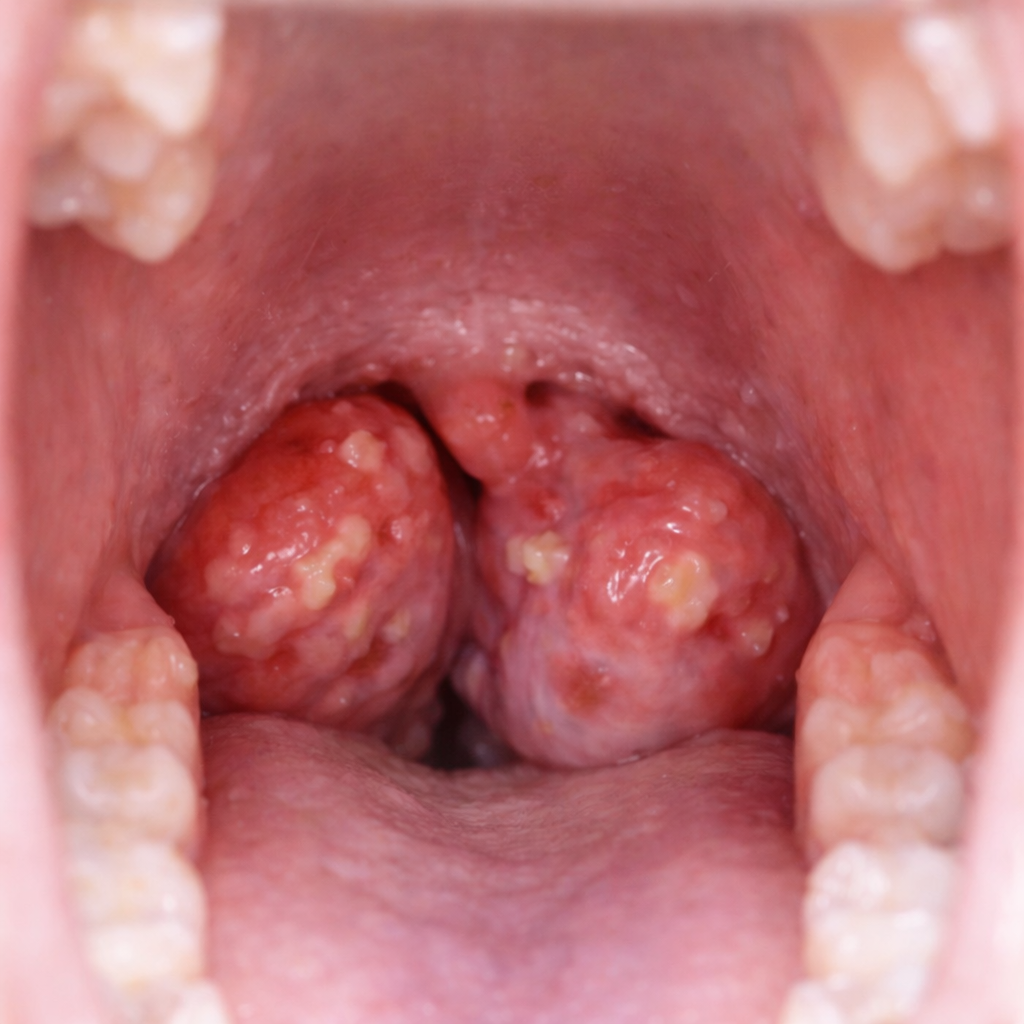
Palatine tonsils are the type most commonly recognised by people. They are found on each side at the back of your throat. These tonsils help fight infection, but can become swollen or infected.
- Located on the left and right sides of the throat
- Easily seen when you open your mouth
- Commonly removed during tonsil surgery
Adenoids
Adenoids are found high behind the nose. They are not visible through the mouth. They are a part of the immune system, especially in young children, but often shrink with age.
- Located behind the nose, above the throat
- Cannot be seen without special tools
- Can block the nose when enlarged
Lingual Tonsils
Lingual tonsils sit at the base of the tongue. They are not easy to see without medical equipment. Like other tonsils, they help protect against germs.
- Found at the back part of the tongue
- Can become enlarged and affect speech
- Not usually removed unless they causeproblems
Tubal Tonsils
Tubal tonsils are small and near the openings of the ear tubes. They are less known but still help guard against infections. Swelling here may lead to ear issues.
- Located near the Eustachian tube openings
- Linked to ear infections if inflamed
- Rarely cause problems on their own
Your ENT Surgeon – Dr Sandeep Uppal
Dr Sandeep Uppal is a UK-trained ENT surgical consultant with more than 34 years of clinical experience. He treats both adults and children with ENT conditions, focusing on surgical and non-surgical treatments for throat, nose, and ear problems.
Why patients trust Dr Sandeep
- Senior Consultant ENT surgeon at Gleneagles Hospital and Camden Medical, Singapore
- Trained in the United Kingdom, India, USA, and EU with fellowship in ENT-Head and Neck Surgery from the Royal College of Surgeo of England, and Royal College of Surgeons in Ireland.
- Specialist in tonsil and adenoid removalsurgery
- Known for a calm, honest, and thorough approach
- Kids love Dr Sandeep for his gentle manner and warm, reassuring approach. He takes the time to connect with children, explains procedures and treatment plans in a clear, age-appropriate way, and helps them feel comfortable and at ease. Parents consistently appreciate his patience, kindness, and the confidence he inspires through his calm and thoughtful explanations.
- Provides tailored evidence based care and clear communication throughout treatment
As a well-regarded tonsil removal doctor, Dr Sandeep ensures that every tonsillectomy operation procedure is performed with precision, safety, and patient comfort in mind.
Aftercare and Recovery
Recovery after tonsil and adenoid surgery is usually smooth, with most patients returning to normal within 1 to 2 weeks.
What to expect after surgery
- Mild to moderate throat pain for a few days
- Soft diet recommended (porridge, soups, yoghurt, ice cream)
- Keep hydrated to avoid a dry throat and promote healing
- Avoid hard, spicy, or hot foods for at least one to two weeks
- Mild ear pain or bad breath is common for a few days but temporary
- Children may return to school after 7-10 days
- Adults may resume light activity after one week
Your trusted ENT doctor, Dr Sandeep, will provide follow-up care instructions after surgery to remove adenoids and tonsils to support a smooth healing process.
Why Choose Dr Sandeep’s ENT Clinic
Patients choose Dr Sandeep’s ENT clinic for tonsil and adenoid surgery in Singapore for six key factors that reflect his expertise, patient-centred approach, and high standards of clinical care as a trusted adenoids specialist.

Clear diagnosis and communication
Dr Sandeep Uppal takes the time to explain the examination process, findings, and treatment plan in great detail. He uses clear illustrations and step-by-step explanations, helping you truly understand the cause of your symptoms and the recommended management plan. His thorough and patient approach gives great confidence and clarity at every visit.

Long-standing clinical experience
He has treated thousands of patients with ENT conditions, including both simple and complex cases. Dr Sandeep has performed hundreds of tonsillectomies and adenoidectomies in his career with excellent results for his patients.

Focus on child-friendly ENT care
Many young patients benefit greatly from his calm, reassuring approach and extensive experience in treating children. Dr Sandeep takes the time to build trust with each child, easing anxiety and helping them feel safe and comfortable during consultations and treatment. His gentle manner, patience, and clear explanations allow children to cooperate confidently, while parents feel reassured that their child is in experienced, caring hands.

Advanced surgical tools
He uses up-to-date technology to perform minimally invasive surgery, which leads to quicker recovery and fewer complications.

Hospital-based support
All surgeries are performed at Gleneagles Hospital or Camden Medical, which provides excellent pre- and post-operative care.

Proven patient outcomes
Patients report fewer infections, better sleep, and improved quality of life after the procedure.
Book Your Appointment Today
If you or your child has frequent throat infections, breathing difficulties, or sleep issues, early diagnosis and treatment can make a lasting difference.
Contact Our Clinic to Book an AppointmentFrequently Asked Questions (FAQS)
Most people recover in 7 to 10 days. Full healing may take up to two weeks. Children often recover more quickly than adults.
Yes. These are standard, low-risk procedures when performed by a qualified and experienced ENT specialist like Dr Sandeep. Complications are rare.
You should consult an ENT specialist if you or your child experience ongoing throat or sleep-related symptoms that affect daily life, health, or development. Common indications include:
1. Frequent throat or tonsil infections
Seek medical advice if tonsillitis occurs:
- 7 or more times in one year, or
- 5 times per year for two consecutive years, or
- 3 times per year for three consecutive years
Repeated infections may cause significant pain, missed school or work, and repeated courses of antibiotics.
2. Enlarged tonsils causing breathing or sleep problems
Large tonsils can obstruct the airway, especially during sleep. Warning signs include:
- Loud, persistent snoring
- Mouth breathing during sleep
- Restless or disturbed sleep
- Pauses in breathing, choking, or gasping during sleep
These may indicate sleep-disordered breathing or obstructive sleep apnoea, particularly in children.
3. Difficulty swallowing or eating
Chronically enlarged tonsils may interfere with swallowing, leading to poor appetite, weight issues, or discomfort when eating.
4. Recurrent peritonsillar abscess
A history of abscess formation around the tonsils (quinsy) is a strong indication for tonsil removal to prevent recurrence.
5. Speech, growth, or behavioural concerns in children
Poor sleep due to enlarged tonsils can contribute to:
- Daytime sleepiness
- Poor concentration or behavioural issues
- Delayed growth or development
6. Suspicion of abnormal tonsil tissue (adults)
Asymmetrical or persistently enlarged tonsils, especially when associated with pain, bleeding, or neck lumps, should be assessed promptly.
7. For assessment and treatment of tonsil stones and bad breath
You should consult an ENT specialist if you experience:
- Persistent bad breath (halitosis) despite good oral hygiene, dental care, and use of mouthwash
- Recurrent tonsil stones (tonsilloliths) that form frequently or are difficult to remove
- A constant foreign body or stuck sensation in the throat
- Throat discomfort, irritation, or recurrent sore throat related to tonsil stones
- Visible white or yellow debris in the tonsils
- Social distress, embarrassment, or reduced confidence due to chronic bad breath
- Failure of conservative measures such as gargling, hydration, and treatment of post-nasal drip
In patients with recurrent, symptomatic tonsil stones associated with chronic halitosis that significantly affect quality of life and do not respond to medical or conservative treatment, tonsillectomy may be considered after careful ENT assessment.
Gleneagles Hospital is widely regarded as one of Singapore’s leading private hospitals for ENT surgery. It offers comprehensive, high-quality care for both children and adults, including procedures to remove tonsils (tonsillectomy) and operations to remove adenoids (adenoidectomy), performed in a safe, well-equipped surgical environment.
Dr Sandeep Uppal prefers to perform surgery at Gleneagles Hospital because of its experienced anaesthesia team, excellent operating theatre facilities, strong paediatric and adult peri-operative support, and high standards of nursing and post-operative care. These factors help ensure patient safety, comfort, and smooth recovery, particularly for children undergoing tonsil or adenoid surgery.
The hospital’s efficient admission process, modern wards, and attentive nursing care also provide reassurance to families, making Gleneagles Hospital a trusted choice for ENT surgical care in Singapore.